Star Deprivation: How We Lost the Universe and Our Connection to It

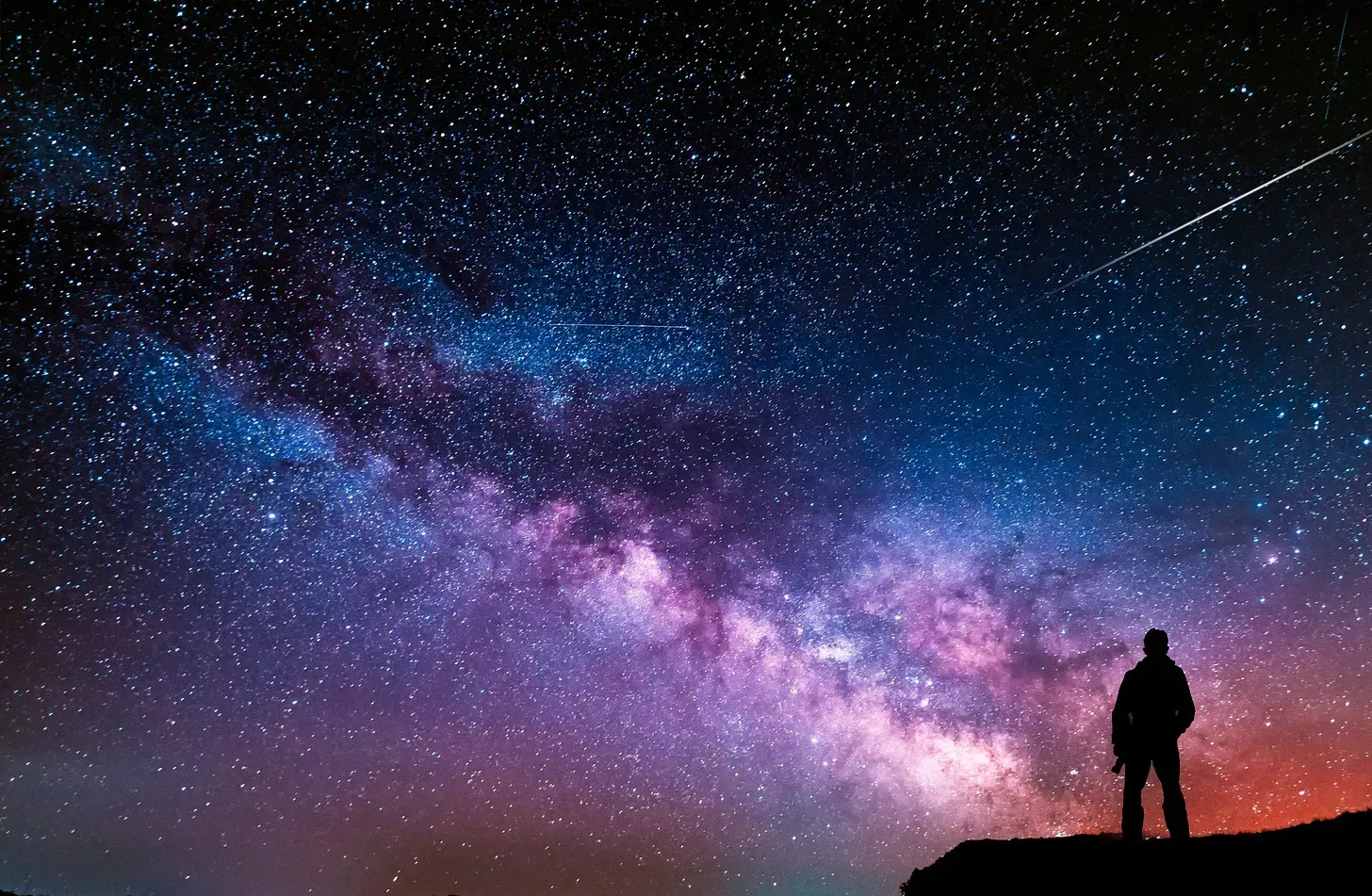
When I was a small girl it was much easier to see the stars. Not as easy as in the time before light pollution. But the light pollution was not as bad in the 1960s as it became shortly thereafter. If you were able to get even a little way outside of the smaller cities, the Milky Way would open before you just after dark when the moon was not big. What I saw was not quite what the Greek shepherds saw, but close.
Throughout the world in those ancient days, and all the way up until the advent of electric lights, anyone could see things that require a trip to the high desert of New Mexico now.
Billions of people have never seen the Milky Way. Around 80% of those living in the “developed world”. Which is the part of the world, unsurprisingly, that is driving the capitalist ecocide. The connection is clear.
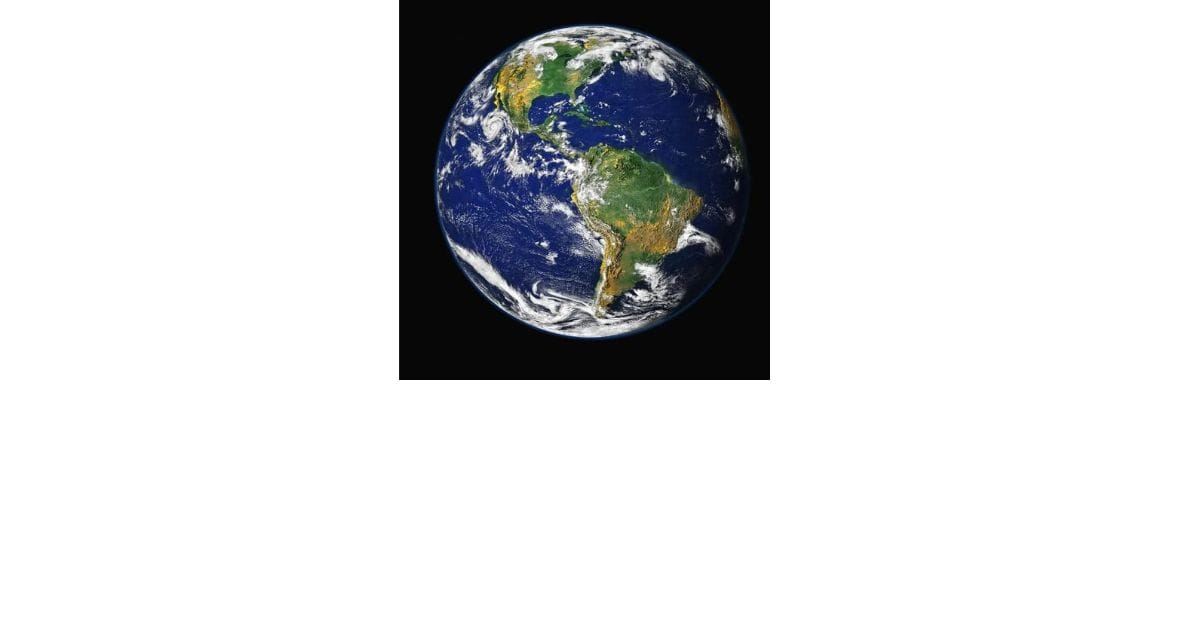
In 1969 the world was stunned by the first images of our planet, that miraculous blue green orb, hanging in the firmament. That alone should have changed everything. But somehow it did not. By that time, our ability to see the stars was diminishing. The 24 hour culture was upon us. The consumerism, the commodification, the worship of speed.
We gained a photographic view of the Earth but lost the stars.
Most of us will never see the earth from space. But looking at a real thing instead of a facsimile or photograph is a far deeper experience. When you look up at the Milky Way under dark skies it touches something deep in your human consciousness. And this experience, which can only be described as spiritual, was available free to every one of us until the mid-20th century.
Star deprivation causes a type of spiritual sickness, born of the postmodern world. We have, in this world, lost the ability to place ourselves in the universe. We have traded starlight for bright electric lights burning day and night, productivity without commensurate reward and without consideration of any negative effects. What we can’t see at night has caused us to lose our connection to the earth itself by day. What we don’t see is killing us.
This is something I want to contemplate, just for a little while, in the midst of all this disruption, hate, and discontent. The Milky Way is our immediate neighborhood in a vast universe, where we get to exist embodied for a short while. Everything that we see and that we are is made of stardust. We need to be able to see the stars.
Would that we could all quiet our hearts, eat peaches, and dance under starlit skies.
This site is entirely reader supported, never a paywall. Please consider subscribing, free or paid. And if you can, consider a one time contribution by clicking here:
https://buymeacoffee.com/annabelascher